- English
- Español
- Português
- русский
- Français
- 日本語
- Deutsch
- tiếng Việt
- Italiano
- Nederlands
- ภาษาไทย
- Polski
- 한국어
- Svenska
- magyar
- Malay
- বাংলা ভাষার
- Dansk
- Suomi
- हिन्दी
- Pilipino
- Türkçe
- Gaeilge
- العربية
- Indonesia
- Norsk
- تمل
- český
- ελληνικά
- український
- Javanese
- فارسی
- தமிழ்
- తెలుగు
- नेपाली
- Burmese
- български
- ລາວ
- Latine
- Қазақша
- Euskal
- Azərbaycan
- Slovenský jazyk
- Македонски
- Lietuvos
- Eesti Keel
- Română
- Slovenski
- मराठी
- Srpski језик

Premium Power Adapters for China factory: 2026 ASEAN Compliance and B2B Sourcing Guide
2026-06-09
The Southeast Asian market is undergoing a significant regulatory shift. As we approach 2026, electronics manufacturers and B2B importers must navigate a complex landscape of safety and energy efficiency standards. Choosing a high-quality 18W Wall Mounted Power Adapter is no longer just about voltage compatibility; it's about localized certification and future-proof design.
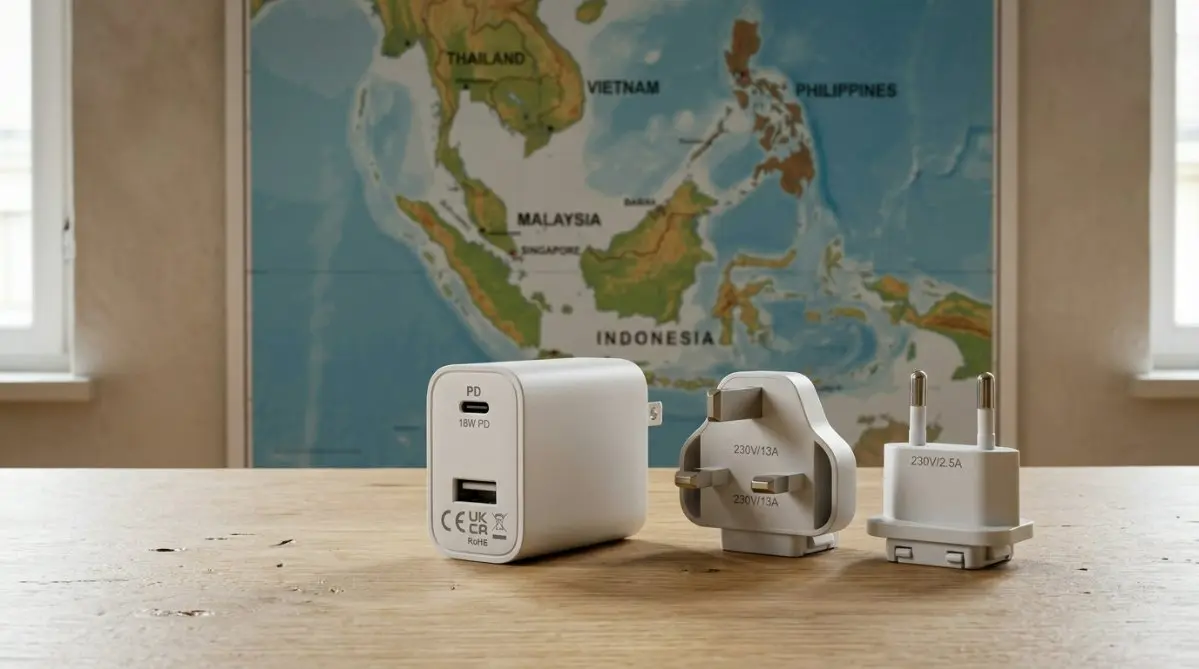
What Are the Power Adapter Requirements for Southeast Asia in 2026?
Understanding the 2026 Eco-Design and Ultra-Low Standby Power Regulations
Starting in 2026, many ASEAN member states are adopting stricter eco-design requirements. The focus is on reducing vampire power. A compliant Power Adapter must now feature ultra-low standby power consumption, typically below 0.1W, to meet the upcoming Green Electronics Initiative standards. This shift aims to reduce the carbon footprint of rapidly growing digital economies in the region.
Data Specs Table: ASEAN Voltage, Frequency, and Efficiency Standards by Country
| Country | Voltage | Frequency | Primary Safety Label |
|---|---|---|---|
| Indonesia | 220V | 50Hz | SNI |
| Thailand | 220V | 50Hz | TIS |
| Malaysia | 240V | 50Hz | SIRIM / ST |
| Singapore | 230V | 50Hz | Safety Mark |
| Vietnam | 220V | 50Hz | CR Mark / MIC |
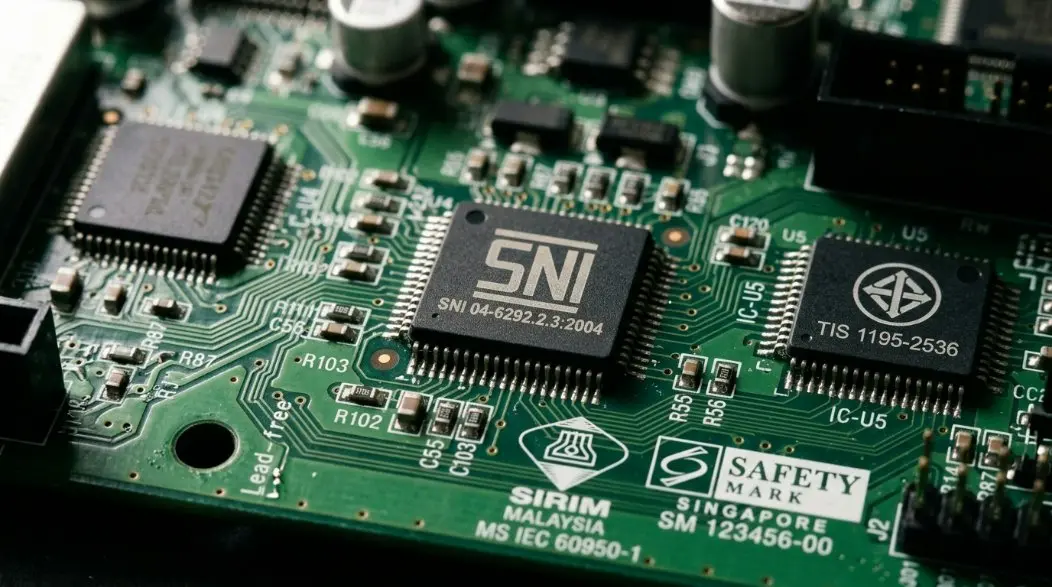
Comprehensive Guide to ASEAN Specific Safety Certifications
Indonesia: Navigating SNI Certification for Power Supplies
Indonesia’s SNI (Standar Nasional Indonesia) is mandatory for power supplies. For an 18W power adapter, testing involves rigorous thermal stability and insulation resistance checks to ensure safety in tropical climates with high humidity levels common in Jakarta and Surabaya.
Thailand: TIS Standards and Compliance Requirements
The Thai Industrial Standards Institute (TISI) mandates TIS 1195 standards for radio, television, and similar electronic apparatus. B2B buyers must ensure their 18W wall mounted power adapter carries the TIS logo to pass customs without delays and ensure consumer safety in the Thai market.
Malaysia: SIRIM Approval Process and Testing Guidelines
In Malaysia, the Energy Commission (ST) and SIRIM QAS oversee the certification of electrical equipment. Products must undergo localized testing or provide IECEE CB Scheme reports to obtain the necessary COA (Certificate of Approval) for legal sale.
Singapore Safety Mark and Vietnam MIC Updates
Singapore requires the Safety Mark for Controlled Goods, while Vietnam’s Ministry of Information and Communications (MIC) is increasingly aligning with international EMC standards. Staying ahead of these updates is crucial for regional distribution.

Bridging the Gap: Why B2B Procurement Needs Localized Compliance
How Competitors Fail to Address 2026 Standby Power Limits
Many generic manufacturers still produce adapters that consume 0.3W to 0.5W in standby mode. While currently legal in some areas, these products will be banned from bulk imports by 2026. Sourcing a 18W Wall Mounted Power Adapter that already meets these future limits ensures your inventory remains liquid and compliant across the ASEAN block.
Future-Proofing Your Enterprise Supply Chain in Southeast Asia
Enterprise procurement requires stability. By selecting components that exceed current standards, companies minimize the risk of regulatory-driven supply chain disruptions. Localization is the key to maintaining a competitive edge in the ASEAN market.
Frequently Asked Questions for Sourcing Power Adapters in SEA
What is the impact of 2026 eco-design laws on bulk B2B orders?
Bulk orders placed today should account for the 2026 transition. Non-compliant stock may face higher tariffs or import bans as Southeast Asian nations tighten their energy efficiency borders to meet climate goals.
How to verify authentic SNI, TIS, and SIRIM localized landing pages?
Always verify certificates through official government databases such as the Bangoni for Indonesia or the TISI database for Thailand. Reputable suppliers provide full transparency regarding their laboratory testing reports and factory audits.